The History of Batik in Indonesia and Bali By Five Arts Atelier Ubud
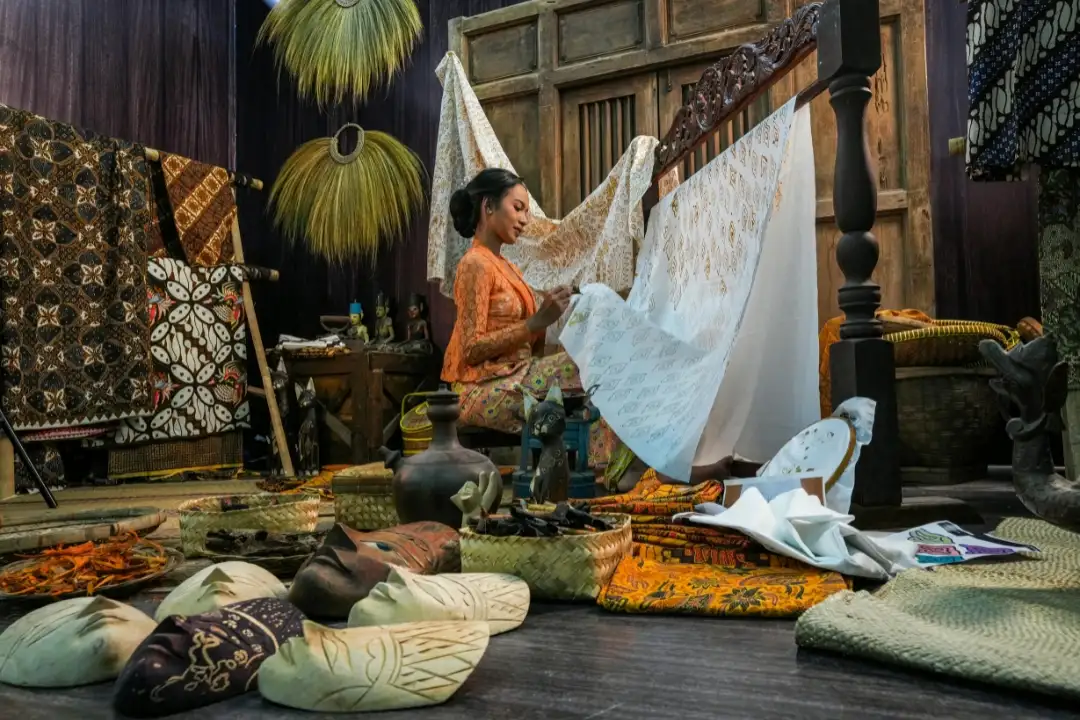
Batik is one of Indonesia’s most treasured cultural heritages, admired for its beauty, symbolism, and craftsmanship. More than just a textile art, batik reflects stories, philosophy, spirituality, and the identity of Indonesian people across generations. Today, batik is recognized worldwide as an important part of Indonesian culture and was officially acknowledged by UNESCO as an Intangible Cultural Heritage of Humanity in 2009.
The Origins of Batik in Indonesia
The history of batik in Indonesia dates back hundreds of years, especially on the island of Java. Historians believe that batik techniques developed during the ancient kingdoms of Java, including the kingdoms of Majapahit and Mataram. Traditionally, batik was closely connected to royal families and palace culture.
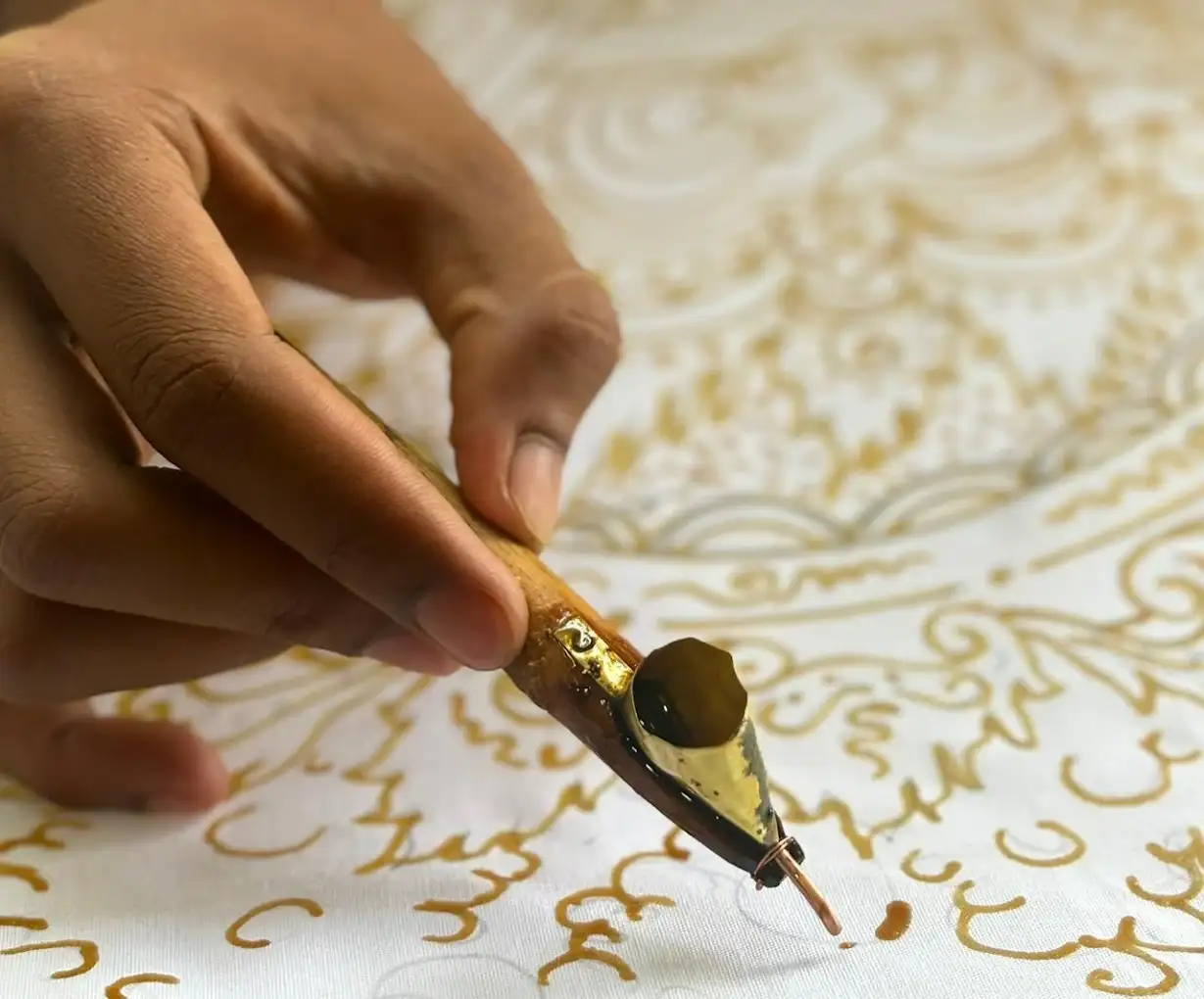
The word “batik” comes from the Javanese words amba, meaning “to write,” and titik, meaning “dot.” This reflects the traditional technique of drawing wax patterns by hand onto fabric before dyeing it.
In the past, certain batik motifs could only be worn by kings, queens, and nobility. Every pattern carried symbolic meaning :
- Some represented wisdom and leadership,
- Others symbolized fertility, protection, or harmony with nature.
Traditional batik is created using a tool called a canting, a small copper instrument used to apply hot wax onto cloth by hand. This method, known as batik tulis, requires patience, precision, and artistic skill.
Over time, batik spread from royal palaces to villages and communities throughout Java, especially in :
- Yogyakarta
- Solo
- Pekalongan
- Cirebon
Each region developed its own unique colors, patterns, and philosophy.
The Development of Batik Across Indonesia
As trade and cultural exchange expanded, batik evolved throughout the Indonesian archipelago. Influences from China, India, the Middle East, and Europe introduced new motifs, colors, and techniques.
Coastal batik styles became brighter and more colorful, while inland batik retained more symbolic and traditional patterns. Today, Indonesia has hundreds of regional batik styles, each reflecting local traditions and cultural identity.
Batik is now used in daily life, ceremonies, weddings, religious events, and contemporary fashion. It represents both tradition and modern creativity.
Batik in Bali
Although batik originated primarily in Java, Bali has embraced batik as part of its vibrant artistic culture. In Bali, batik developed through a combination of traditional Indonesian techniques and Balinese artistic expression.
Balinese batik often features :
- Tropical flowers,
- Hindu-inspired symbols,
- Mythological creatures,
- Nature motifs,
- And traditional Balinese ornamentation.
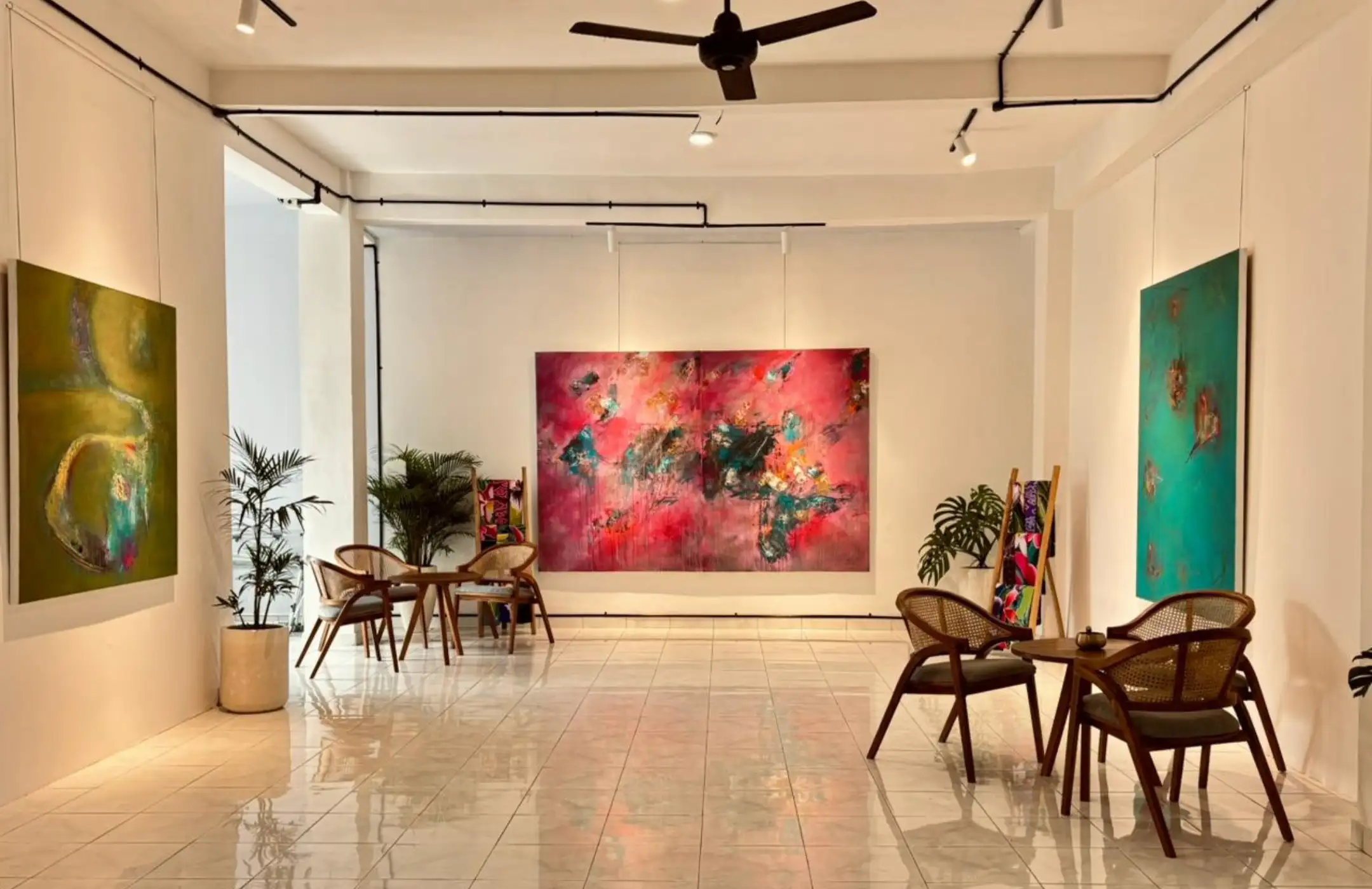
Unlike some classical Javanese batik that follows strict symbolic rules, Balinese batik is often more expressive, colorful, and experimental. Artists in Bali frequently combine batik with painting, contemporary art, and handmade crafts.
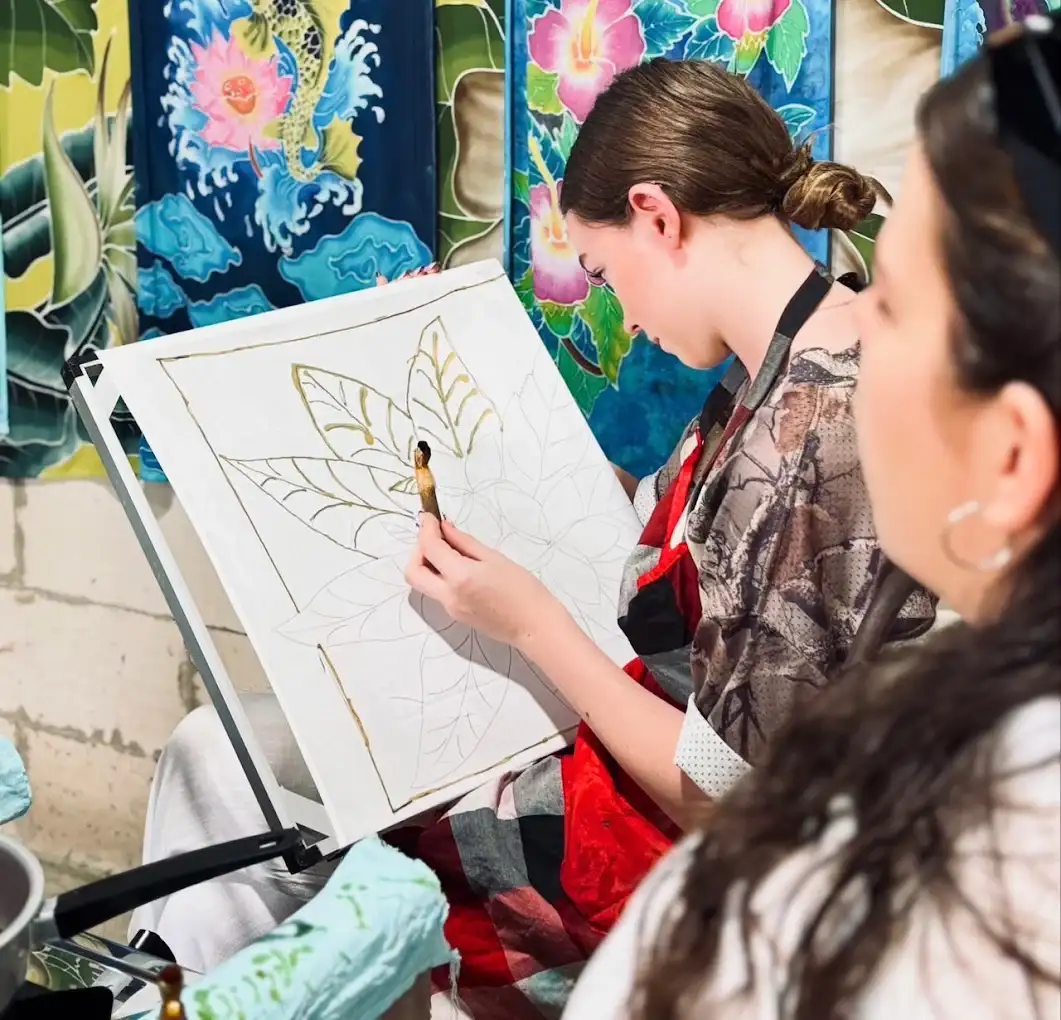
Today, batik workshops and art studios in Bali allow visitors to experience the process directly from drawing with hot wax to coloring the fabric by hand. This interactive experience helps preserve Indonesian cultural heritage while introducing it to people from around the world.
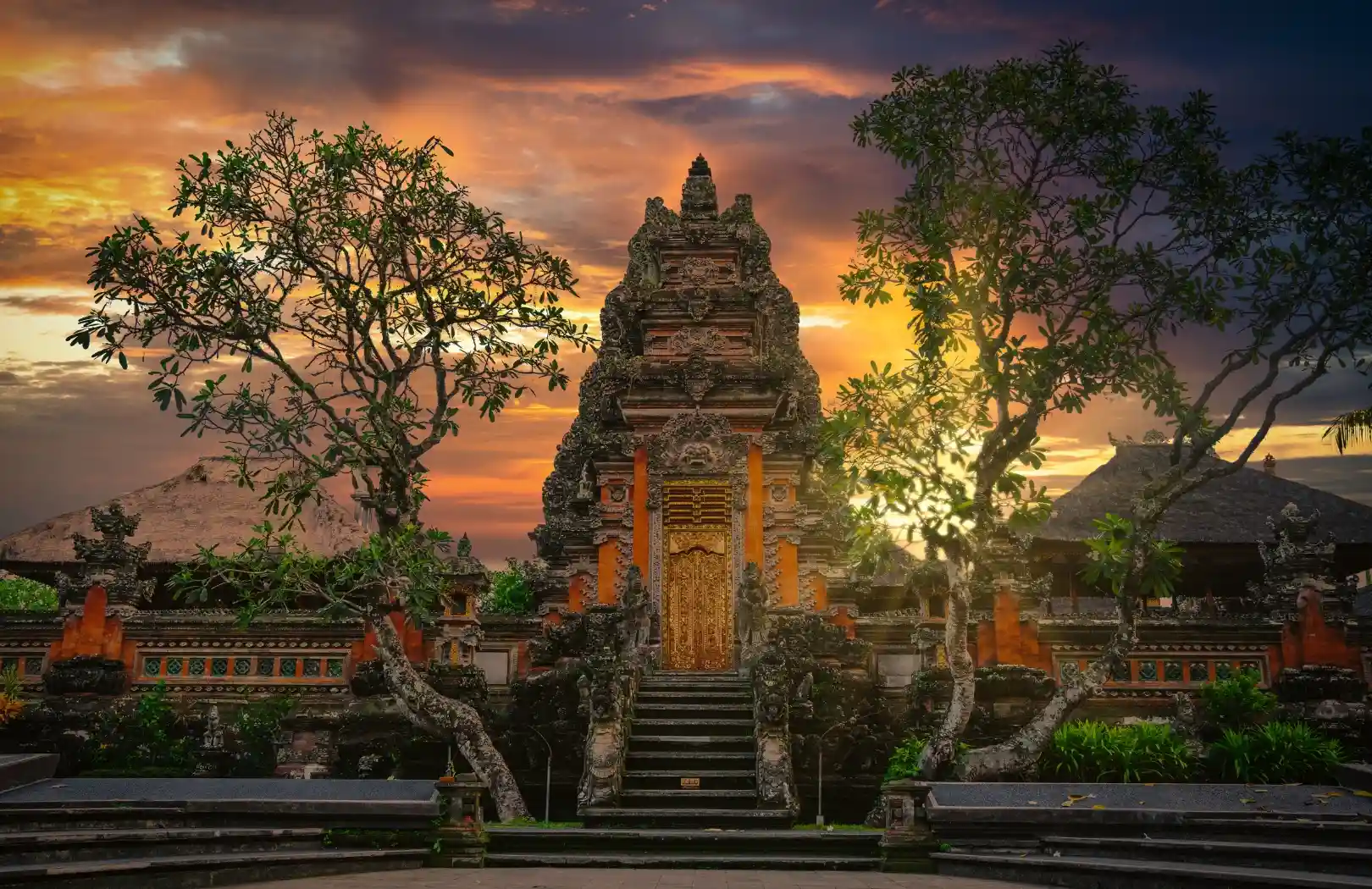
In artistic villages near Ubud, batik has become part of a larger creative movement that celebrates traditional craftsmanship, cultural storytelling, and sustainable handmade art.
Batik as a Living Cultural Heritage
Batik continues to evolve while maintaining its deep cultural roots. Modern Indonesian designers combine traditional techniques with contemporary fashion, proving that batik remains relevant in today’s world.
More importantly, batik is not only about fabric it is about patience, mindfulness, identity, and artistic connection between generations.
Learning batik is also a way to understand Indonesian philosophy and appreciate the beauty of handmade traditions that have survived for centuries.
At Five Arts Atelier, we believe that preserving traditional arts means keeping stories, culture, and creativity alive for future generations. Through batik experiences and workshops, visitors can discover the meaning behind this timeless Indonesian art form while creating their own handmade piece of cultural heritage.